F&B CIP Detergent Chemical range

SOS Hygiene supplies a range of CIP chemicals for the food and beverage industry, designed to support the cleaning and disinfection of suitable processing equipment, tanks, pipework, vessels, production lines and other closed systems.

Clean in Place (CIP) allows internal surfaces of processing equipment to be cleaned without dismantling the plant. A correctly designed CIP programme can provide a consistent, repeatable approach to hygiene while helping food and beverage manufacturers manage organic soils, mineral deposits, microorganisms and biofilm.

Our CIP chemical range can support different stages of a professional hygiene programme, including alkaline cleaning, acid cleaning, CIP disinfection and specialist biofilm control.

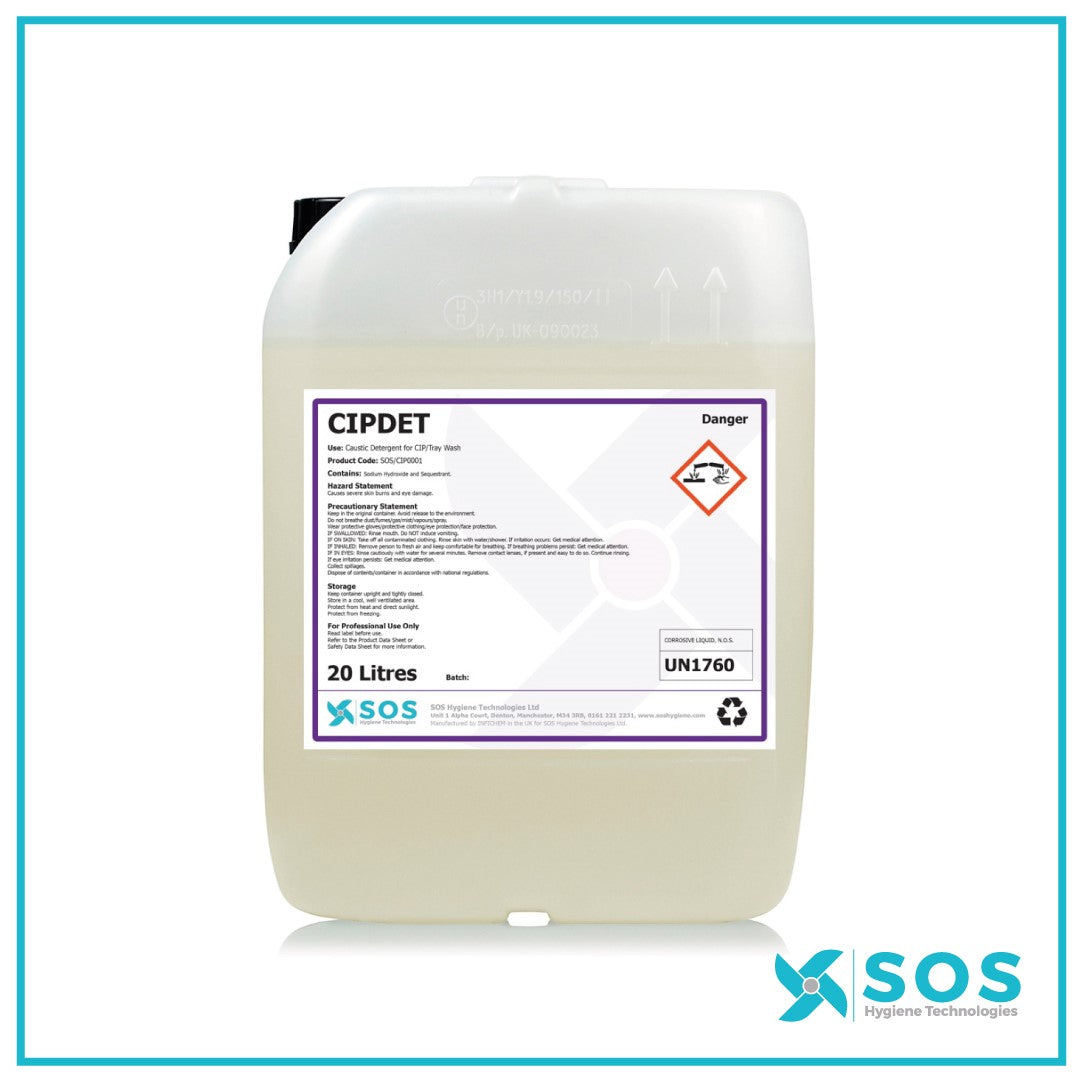
CIPDET CAUSTIC CIP Detergent FOR FOOD AND BEVERAGE 20l DRUM
Quick View
CIPDET Caustic CIP Detergent | Food & Beverage CIP Cleaner
Call: 0161 221 2231
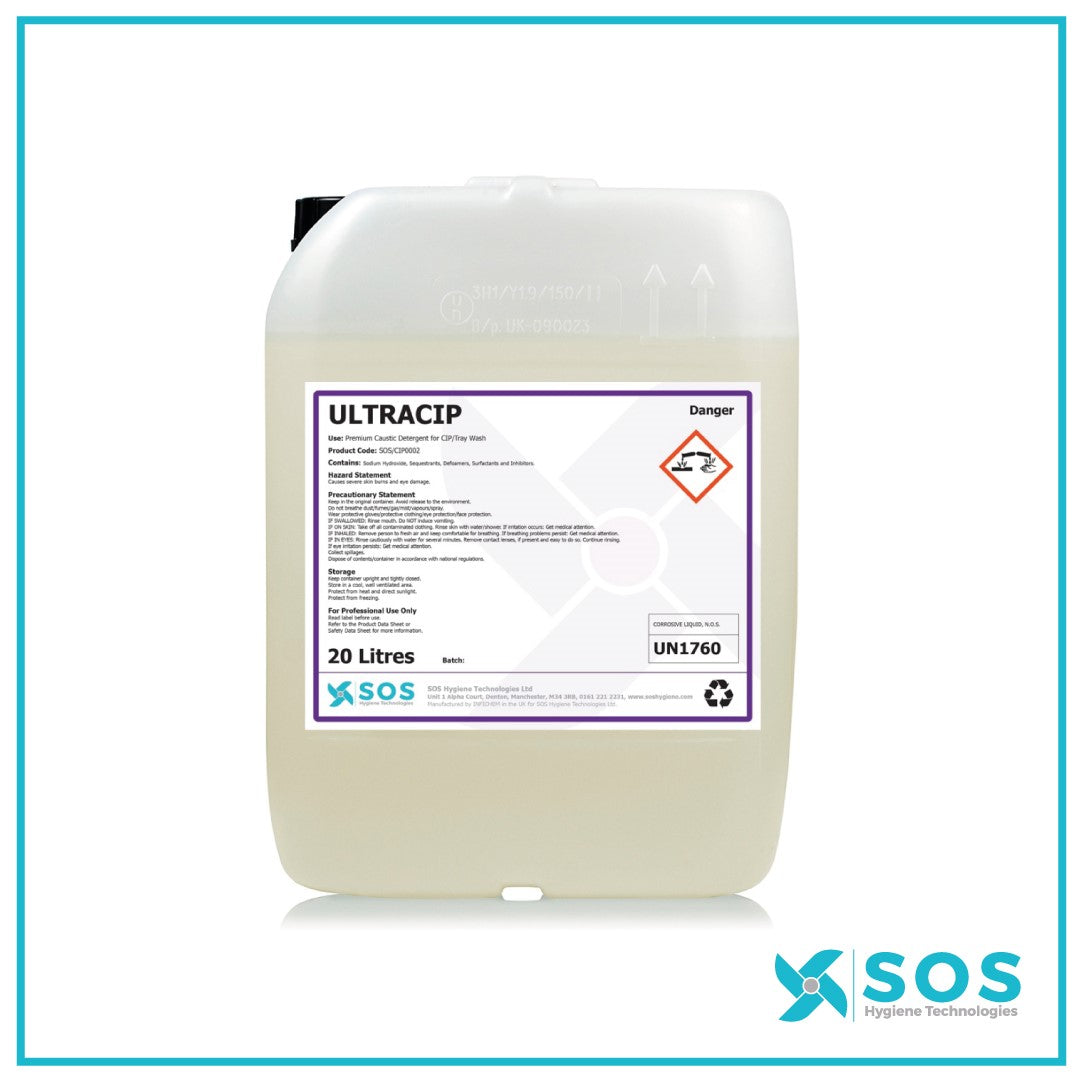
ULTRACIP Caustic CIP Detergent 20l drum for food and beverage
Quick View
Enquire View Full Details & Make An Enquiry
ULTRACIP Caustic CIP Detergent | Food & Beverage CIP Cleaner
Call: 0161 221 2231
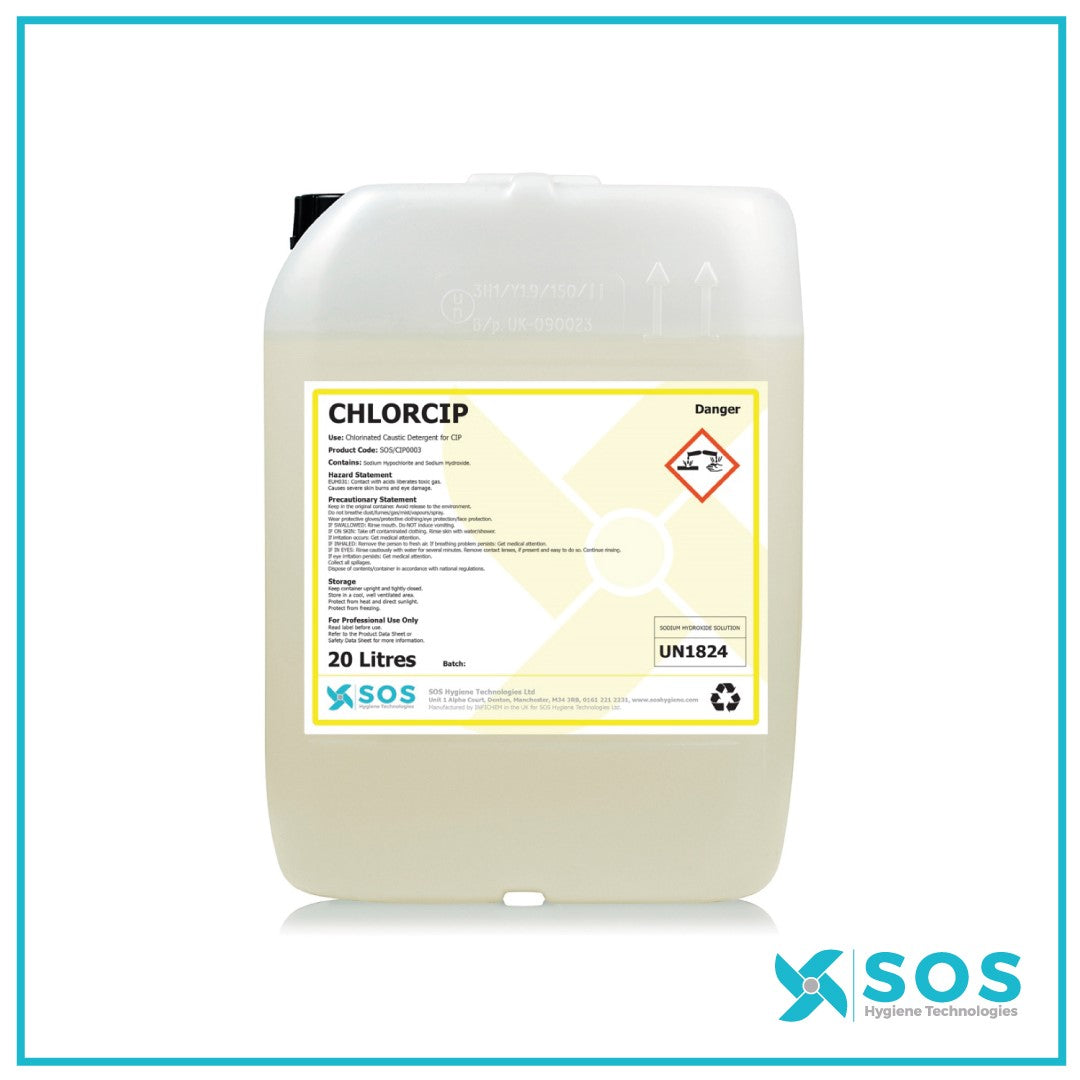
CHLORCIP Chlorinated Caustic CIP Detergent 20L for food and beverage
Quick View
Enquire View Full Details & Make An Enquiry
CHLORCIP Chlorinated CIP Detergent | Food & Beverage
Call: 0161 221 2231
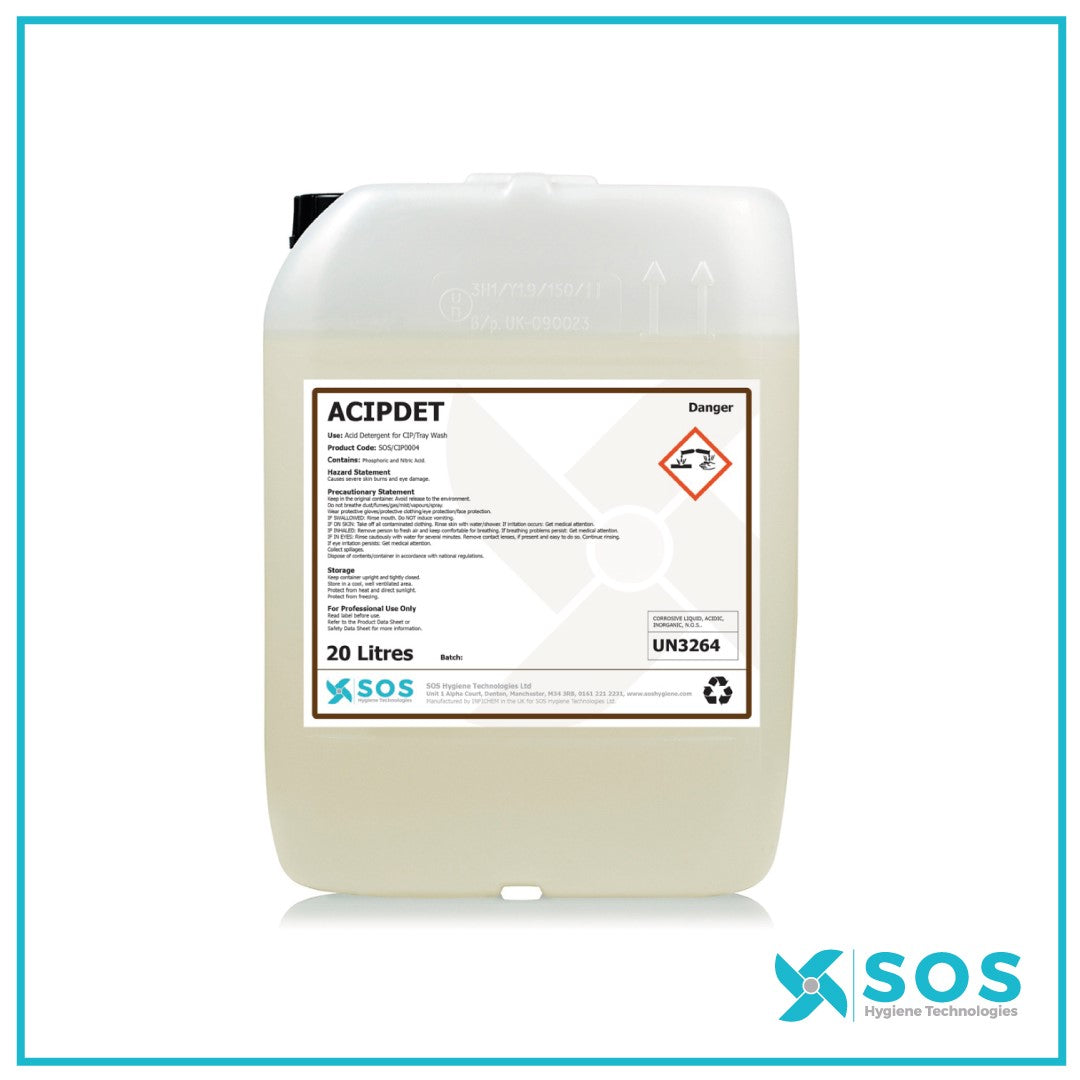
ACIPDET Acid CIP Detergent 20L for food and beverage
Quick View
Enquire View Full Details & Make An Enquiry
ACIPDET Acid CIP Detergent | Scale & Rust Removal | Food Factory
Call: 0161 221 2231
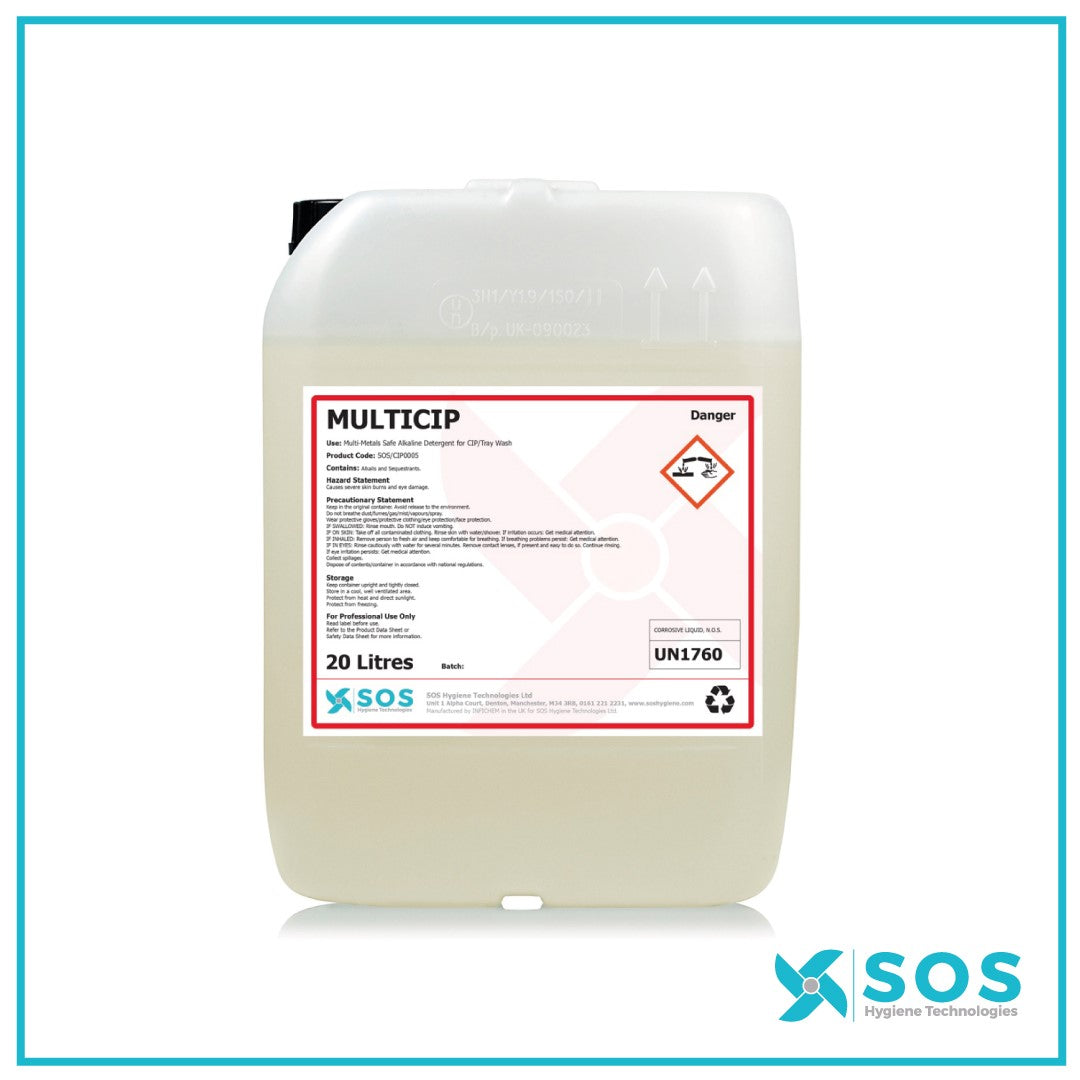
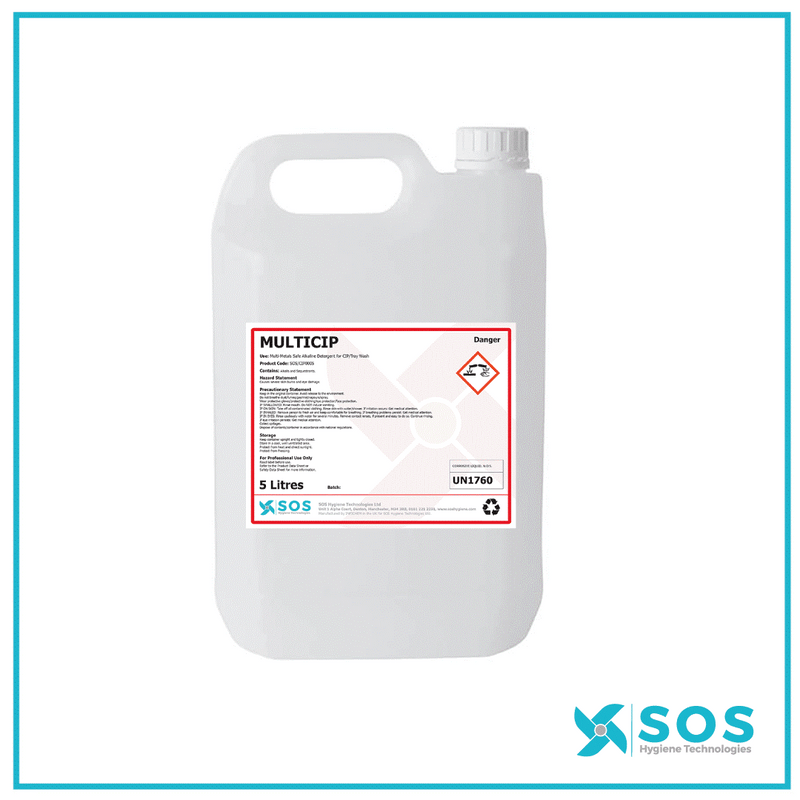
MULTICIP Multi Metal Safe CIP Detergent 20L for food and beverage
Quick View
Enquire View Full Details & Make An Enquiry
MULTICIP Multi-Metal Safe CIP Detergent | Food Industry
Call: 0161 221 2231
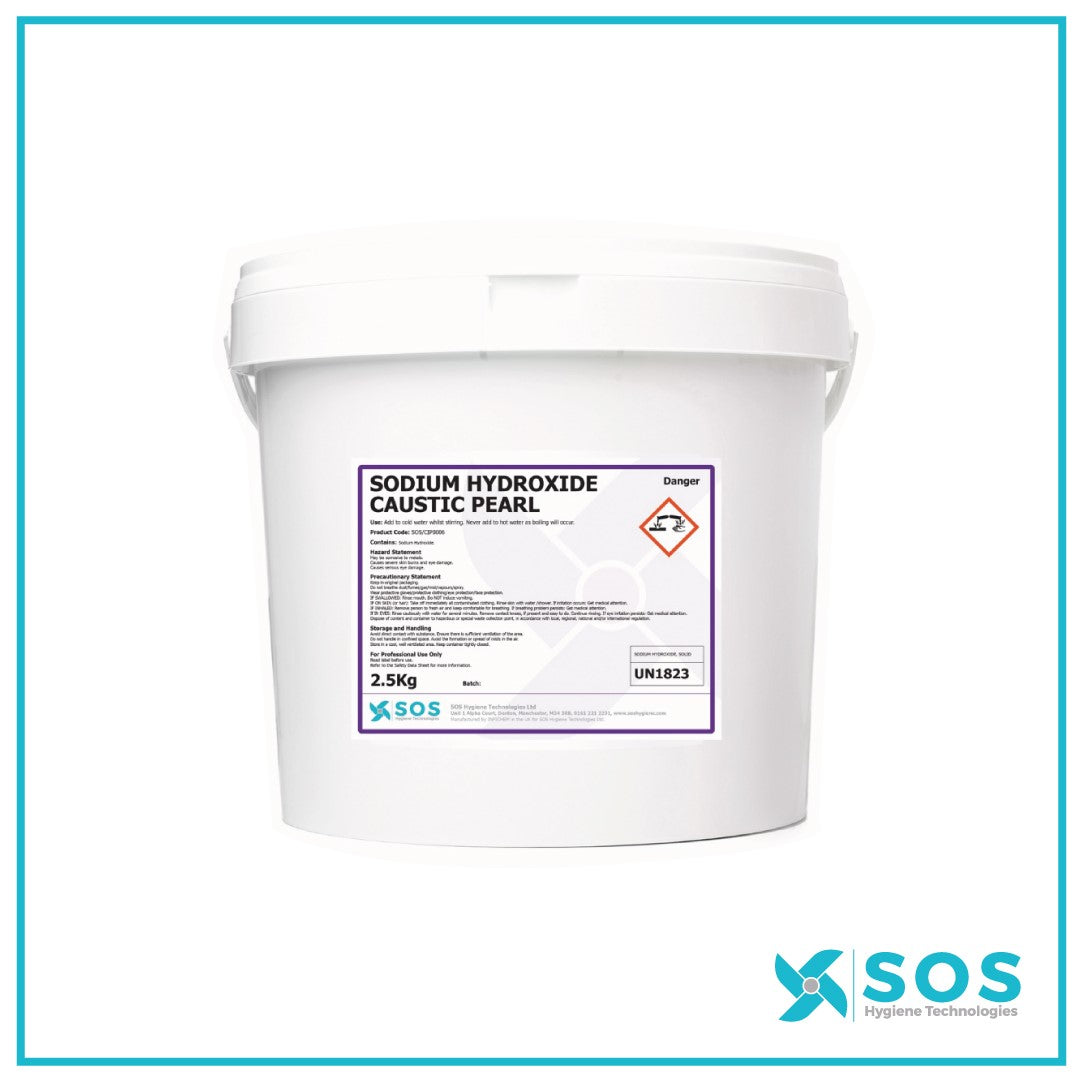
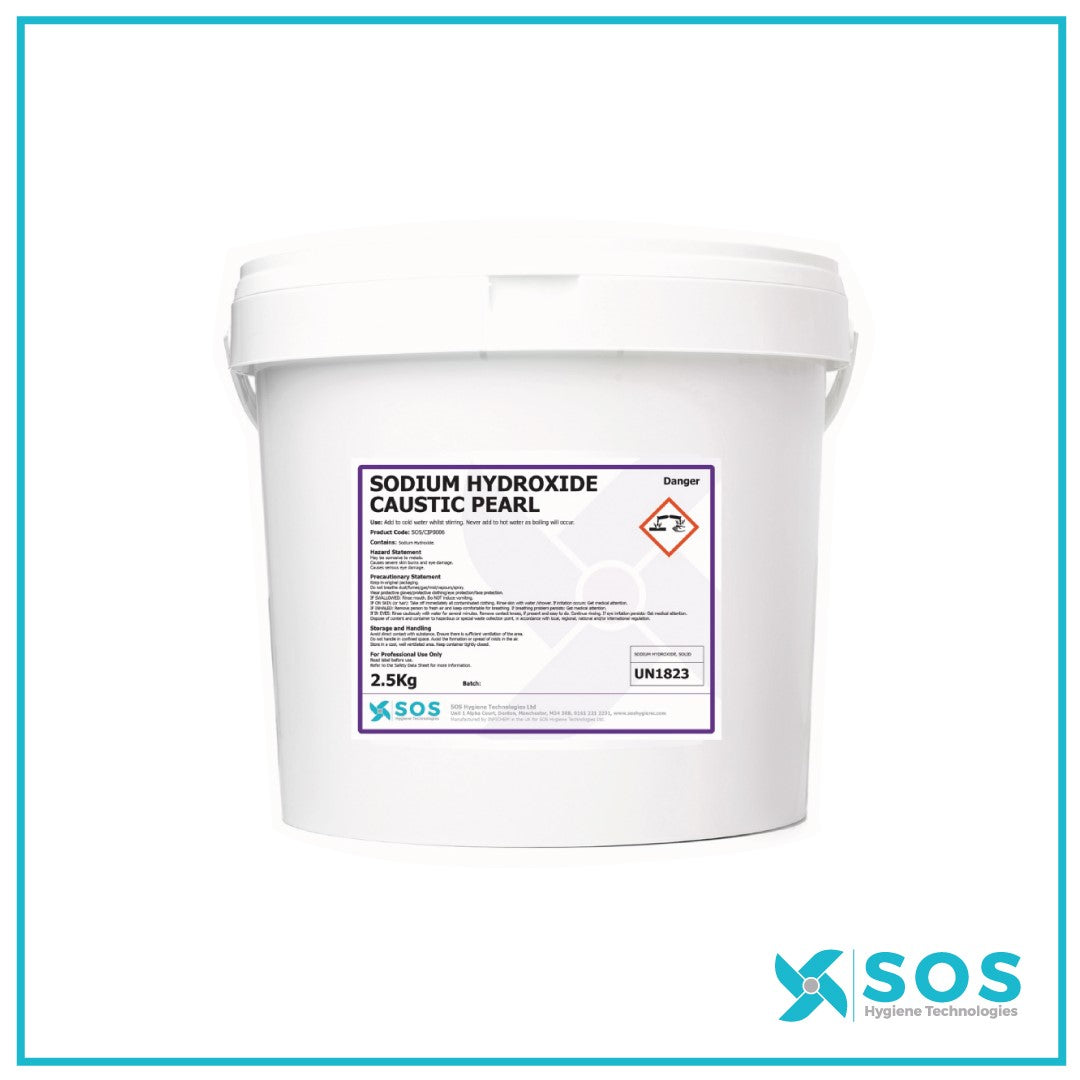
Sodium Hydroxide Caustic Pearl 2.5kgs
Quick View
Sodium Hydroxide Caustic Pearls | Food Industry Cleaner | Effluent treatment
Call: 0161 221 2231

CIP Chemicals for Food & Beverage Manufacturing

Clean in Place (CIP) is widely used across food and beverage manufacturing where production equipment needs to be cleaned regularly and efficiently in situ. Rather than manually dismantling equipment and cleaning individual components, cleaning solutions are circulated through the processing system. This can include pipework, tanks, pumps, valves, heat exchangers and other suitable components.

The Importance of CIP Parameters

CIP effectiveness depends on several interacting factors.

Time-The chemical must remain in contact with the relevant surfaces for the specified period.

Temperature-The correct temperature can influence cleaning performance and chemical activity.

Chemical Concentration-The product needs to be used at the specified concentration. Under-dosing can compromise performance, while excessive dosing can increase chemical consumption and operational costs.

Mechanical Action-Flow and turbulence help provide mechanical cleaning action within pipes and equipment.

Soil Type-The chemistry needs to be matched to the contamination being removed.

These parameters are often considered together when developing a validated CIP process.

CIP Chemical Dosing

Accurate dosing is important for consistent CIP performance.

Depending on the installation, chemical dosing can be controlled using automated dosing systems, conductivity monitoring, concentration measurement or other site-specific controls.

Correct dosing can help:

  • Maintain consistent chemical concentration
  • Reduce chemical waste
  • Improve repeatability
  • Support CIP verification
  • Improve operational efficiency

Chemical dosing systems should be correctly configured for the particular product and CIP installation.

CIP Verification

CIP processes should be appropriately monitored and verified as part of the site's food safety and hygiene management system.

Depending on the process, verification can include monitoring:

  • Chemical concentration
  • Temperature
  • Flow
  • Contact time
  • Conductivity
  • Rinse quality
  • ATP
  • Microbiological results
  • Visual inspection where applicable

The appropriate verification approach depends on the individual process and risk assessment.

CIP Chemicals & Food Safety

Effective CIP is an important part of maintaining hygienic food production.

Poorly cleaned processing equipment can allow food residues and microorganisms to remain within the system, potentially contributing to contamination and product quality issues.

A suitable CIP programme should therefore be developed around the site's:

  • HACCP system
  • Equipment design
  • Food products
  • Cleaning requirements
  • Chemical specifications
  • Validation procedures
  • Environmental conditions
  • Microbiological risks
 

Choosing the Right CIP Chemical

There is no single CIP chemical suitable for every food manufacturing application.

When selecting a product, consider:

1. What Are You Cleaning?

Identify the equipment, pipework, tank, vessel or processing system.

2. What Soil Are You Removing?

Determine whether the main challenge is fat, protein, sugar, starch, mineral scale or a combination.

3. Is Cleaning or Disinfection Required?

Cleaning and disinfection are separate functions, although some products may have combined claims.

4. What Temperature Is Available?

Check the required operating temperature against the capabilities of the product and equipment.

5. What Contact Time Is Required?

Follow the manufacturer's specified contact time.

6. What Materials Are Present?

Check compatibility with stainless steel, plastics, seals, rubber and other components.

7. Is a Final Rinse Required?

Always follow the product instructions and authorised conditions of use.

CIP Chemical Applications

Our CIP chemical offering can support hygiene programmes across:

  • Tanks and vessels
  • Pipework
  • Processing lines
  • Pumps
  • Valves
  • Heatexchangers
  • Filling equipment
  • Beverage systems
  • Dairy equipment
  • Brewing equipment
  • Liquid food processing equipment
  • Closed production systems

Benefits of Professional CIP Chemicals

A correctly selected CIP chemical programme can help manufacturers:

  • Improve cleaning consistency
  • Support microbial control
  • Manage difficult food soils
  • Control mineral deposits
  • Address biofilm risks
  • Reduce manual dismantling
  • Improve hygiene efficiency
  • Support repeatable cleaning procedures
  • Maintain production equipment
  • Support food safety objectives

CIP Chemicals & Equipment Compatibility

Chemical compatibility is an important consideration when selecting CIP products.

Different materials can react differently to cleaning and disinfecting chemicals, particularly at high concentrations,
temperatures or extended contact times.

Before introducing a new CIP chemical, check:

  • Product concentration
  • Operating temperature
  • Contact time
  • Equipment material
  • Seals and gaskets
  • Pump compatibility
  • Manufacturer recommendations

Frequently Asked Questions

What is CIP in the food industry? +

CIP stands for Clean in Place. It is a method of cleaning the internal surfaces of suitable food processing equipment without dismantling the equipment. without dismantling the equipment.

What chemicals are used for CIP? +

CIP programmes can use a combination of alkaline detergents, acid detergents, disinfectants and water, depending on the equipment and type of soil.

What is the difference between alkaline and acid CIP cleaning? +

Alkaline detergents are generally used for suitable organic soils such as fats, grease and proteins, while acid detergents are commonly used for mineral deposits and scale.

What is a CIP disinfectant? +

A CIP disinfectant is a product specifically intended for disinfection within a suitable Clean in Place application. It is normally used after effective cleaning and rinsing, according to the product instructions.

Is peracetic acid suitable for CIP? +

Peracetic acid can be suitable for CIP disinfection where the specific product is authorised and formulated for the intended application. Concentration, temperature and contact time are product-specific.

Can Air Socks be used outdoors? +

Air Sock systems are primarily designed for controlled indoor environments. Specific outdoor or semi-outdoor applications require an appropriate fabric and system specification.

Does CIP remove biofilm? +

An effective CIP programme can help manage biofilm by combining thorough soil removal with appropriate microbial control. Where established biofilm is a particular concern, specialist cleaning or disinfection chemistry may be required.

Does CIP require a final rinse? +

It depends on the product and application. Some CIP chemicals require a final potable-water rinse, while specific products may have different instructions. Always follow the manufacturer's directions and authorised conditions of use.

What concentration should CIP chemicals be used at? +

There is no universal CIP concentration. The correct concentration depends on the specific product, equipment, soil, temperature and required performance. Always follow the manufacturer's instructions.

What temperature should CIP cleaning be? +

The appropriate temperature varies according to the detergent or disinfectant, food soil, equipment and validated CIP procedure. Always follow the product's technical instructions.

Can CIP chemicals be used on stainless steel? +

Many CIP products are formulated for use with stainless steel, but compatibility should always be confirmed for the specific chemical, concentration, temperature and equipment.

How often should a CIP system be cleaned? +

CIP frequency depends on the production process, product, equipment, hygiene risk and site cleaning schedule. A food manufacturer's documented hygiene programme should determine the appropriate frequency.

Can SOS Hygiene help choose CIP chemicals? +

Yes. We can help identify suitable CIP cleaning and disinfection products based on your industry, equipment, soil type, cleaning method and application requirements.

Subscribe